When a child’s smile feels like a mystery, parents often find themselves standing at the crossroads of curiosity and concern. The moment a professional suggests an autism diagnosis, the road ahead can seem as winding as a maze. Fortunately, modern technology offers a toolbox of apps designed to help parents make sense of the process, track progress, and connect with communities that understand. In this guide, we’ll walk through the steps of getting a diagnosis, explore how apps can support parents, and share real stories of how these digital tools have turned the tide for families navigating autism.
Understanding the Diagnosis Process
When to Seek Evaluation
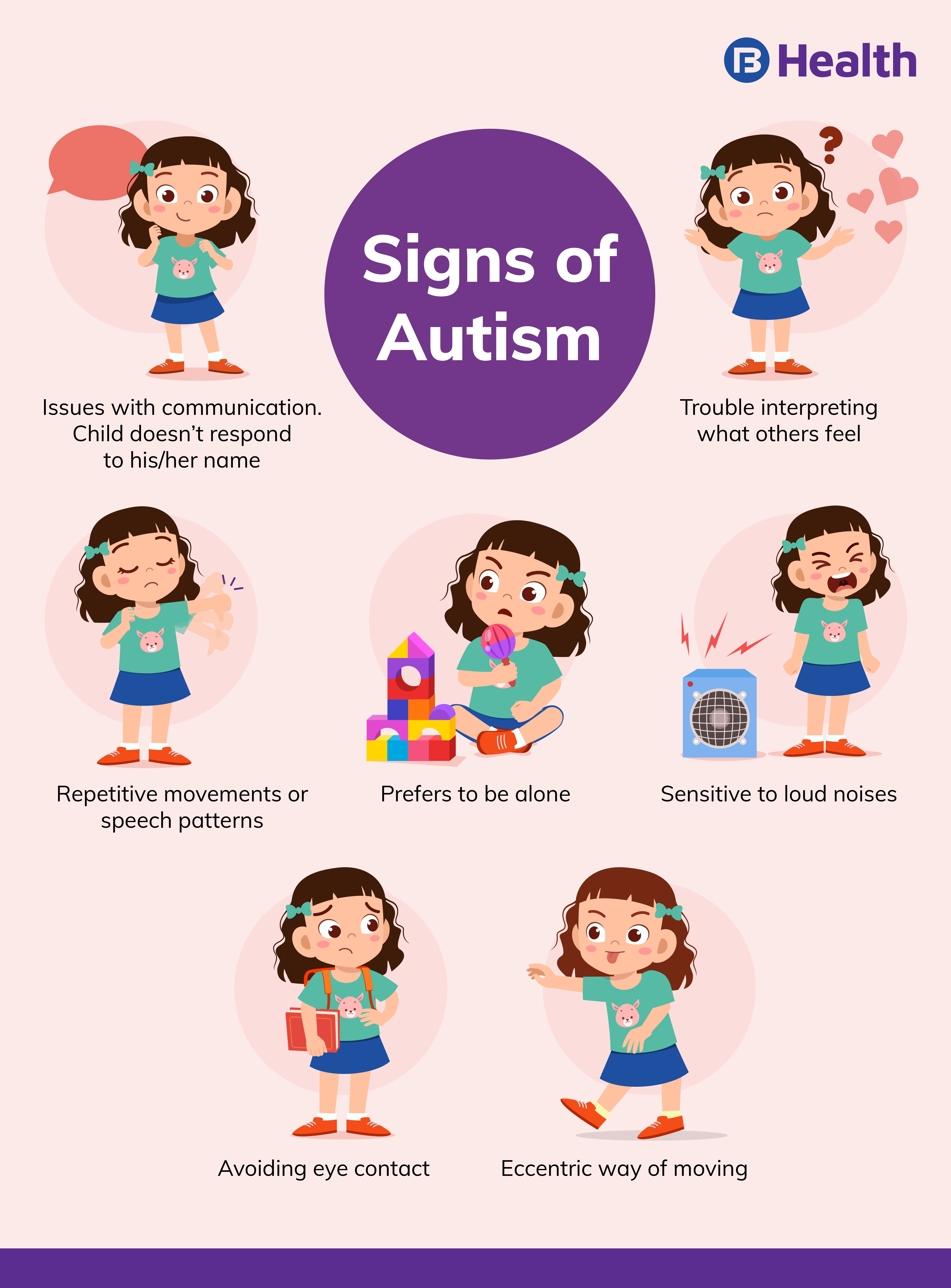
Many parents wonder, “Should I worry if my child is a little shy or likes to play alone?” While every child is unique, certain behaviors—such as delayed speech, difficulty making eye contact, or intense focus on specific topics—can signal the need for a professional evaluation. Early assessment can open doors to tailored interventions that make a lasting difference.
What to Expect During the Assessment
The diagnostic journey typically involves a series of steps:
- Initial screening by a pediatrician or developmental specialist. Comprehensive evaluation with psychologists, speech therapists, and occupational therapists. Observation in various settings, such as school or home. Collaboration with teachers and caregivers to gather a holistic picture.
Throughout, the team will use standardized tools and clinical judgment to determine whether autism spectrum disorder (ASD) is present. The process can take weeks or months, but the insights gained are invaluable.
The Role of Apps in Supporting Parents
Tracking Symptoms and Progress
One of the most practical ways apps help is by turning data collection into a manageable routine. Parents can log daily behaviors, feeding patterns, sleep cycles, and social interactions. These logs provide a clear, visual record that clinicians can review, making it easier to spot trends and adjust strategies.
Educational Resources and Community Support
Beyond data tracking, many apps offer a library of evidence‑based articles, video tutorials, and interactive tools. They also host forums where parents can share experiences, ask questions, and find comfort in knowing they’re not alone. Imagine a digital support group that’s always open, never judging, and filled with people who truly “get it.”
Choosing the Right App: Features to Consider
Usability and Accessibility
- Intuitive interface: Parents juggling schedules need an app that feels like a natural extension of their daily routine. Customizable dashboards: The ability to highlight the most relevant metrics keeps information at a glance. Multilingual support: For families where English isn’t the first language, language options can make a world of difference.
Data Privacy and Security
Because these apps handle sensitive health information, parents should verify:
- Encryption standards: Data should be protected both in transit and at rest. Compliance with regulations: Look for certifications like HIPAA or GDPR, depending on your region. Clear privacy policies: Understand how your data is stored, shared, and used.
Real-World Success Stories
A Parent’s Journey
I once met Maya, a mother who had just received her son’s diagnosis. She was overwhelmed, feeling like she’d stumbled into a storm without a life jacket. After downloading an app that combined symptom tracking with educational videos, Maya noticed a clear pattern: her son’s meltdowns correlated with certain sensory inputs. Armed with this insight, Maya adjusted the environment and reported significant improvements to her therapist. “It’s like having a weather forecast for my child’s moods,” Maya laughed, her eyes brightening.
The Power of Community
Another family found solace in a forum that connected them with other parents navigating the same hurdles. Through shared tips—like using visual schedules or incorporating music into routines—they discovered practical strategies that made daily life smoother. The sense of belonging lifted a heavy weight off their shoulders, proving that a supportive network can be as powerful as any medical intervention.
Practical Tips for Integrating Apps into Daily Life
Setting Realistic Goals
- Start small: Choose one metric to track daily, such as speech milestones or sleep duration. Review weekly: Look for patterns, celebrate wins, and adjust goals as needed. Involve the child: Where possible, let the child participate in the app’s activities to foster engagement.
Avoiding App Overload
It’s easy to fall into the what are the 3 main causes of autism trap of “app overload,” where multiple tools compete for attention. To keep things manageable:
- Limit to 1–2 core apps: Focus on those that serve the most critical needs. Schedule app usage: Set a consistent time each day for logging or reviewing data. Keep a paper backup: In case of technical hiccups, a simple notebook can keep you on track.
Making Your Selection Count
Choosing an app is a bit like picking a compass for a hike: you need something reliable, clear, and tailored to your terrain. By focusing on usability, data security, and community support, parents can find a digital ally that not only tracks progress but also empowers them to make informed decisions. Remember, the goal isn’t to replace the expertise of professionals but to enhance the partnership between caregivers and clinicians.
As you embark on this journey, keep in mind the words of neurologist Dr. Temple Grandin: “The world is a place where many people can learn how to communicate with each other, but we need tools that help us do that.” With the right app in hand, you’ll have a powerful tool to translate data into action, turning everyday moments into stepping stones toward a brighter future.